


Table of Contents
Discover the authentic flavours of Málaga food
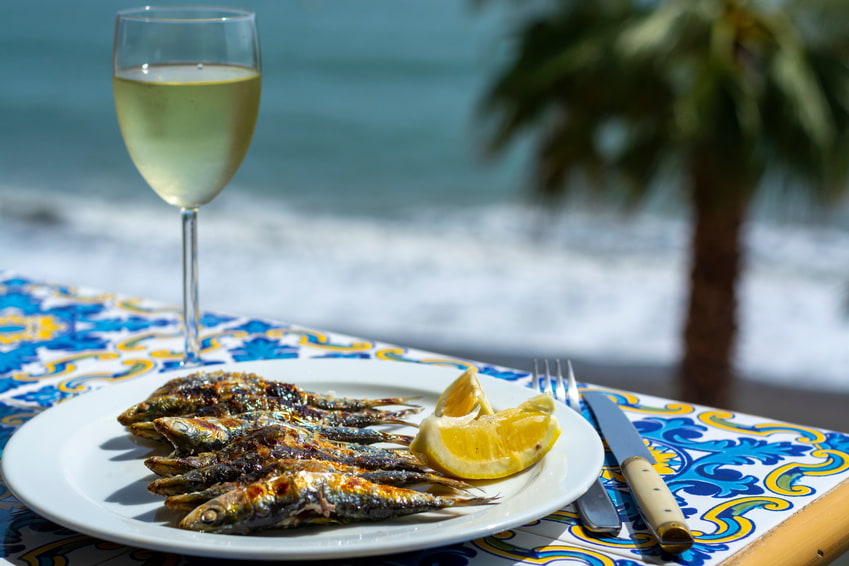
If you’re wondering what to do in Malaga, start with the food. Locals will tell you the same: sunshine and beaches are great, but Málaga food is what really defines the city.
The cuisine is shaped by two big influences: the Mediterranean Sea and Andalusian traditions. Fresh fish, olive oil, almonds, citrus fruits, and seasonal vegetables show up again and again in local recipes. Many of the typical dishes in Malaga have been around for centuries, passed down through generations and still cooked the same way today.
The food scene is shaped by two main influences: the Mediterranean Sea and Andalusian tradition. Fresh fish, olive oil, almonds, citrus fruits, and seasonal vegetables appear again and again. Many typical dishes in Malaga have been passed down for generations—and are still prepared the same way today.
Exploring what to do in Malaga often turns into a culinary adventure. From local markets and beachside chiringuitos (casual seafood bars) to historic taverns and modern tapas spots, great food is everywhere.
A simple way to connect it all? The City Sightseeing Málaga hop-on hop-off bus. It lets you jump off near markets, historic taverns, and cultural landmarks without worrying about transport. Translation: more time eating, less time navigating.
So bring your appetite. We’re diving into the most iconic flavours, dishes, and places that define the Malaga food scene.
Typical dishes in Málaga you cannot miss
Before deciding where to eat in Malaga – and trust us, that’s a very fun problem to have – it helps to know what to look for on the menu. The beauty of Málaga food lies in its simplicity: fresh ingredients, traditional techniques, and flavours that celebrate both sea and countryside.
Here are some must-try typical dishes in Malaga
Espetos de Sardinas
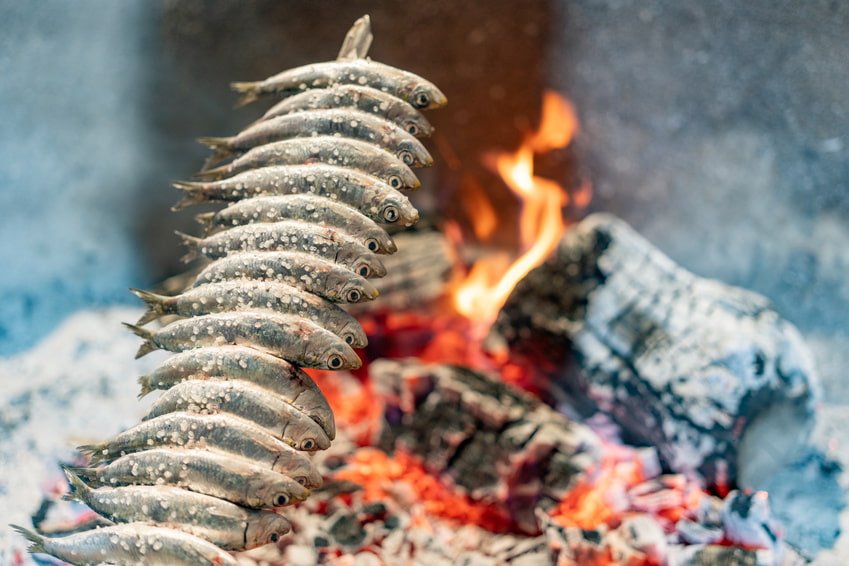
If there’s one dish that defines Malaga food, it’s espetos de sardinas.
Fresh sardines are skewered onto bamboo sticks, lightly salted, and grilled over open olive-wood fires— often set up in old fishing boats filled with sand right on the beach. The result is smoky, juicy, and full of flavour.
Espetos are best enjoyed by the sea, preferably with a cold drink and your feet in the sand. You’ll find them at chiringuitos along the coast, especially around El Palo and Pedregalejo. These neighbourhoods have a more laid-back, local vibe compared to the city centre, and the seafood here is outstanding.
- Location: Chiringuitos in El Palo and Pedregalejo areas.
- How to get there: Take the City Sightseeing bus to Paseo del Parque, then a short taxi or local bus to the eastern beaches
Local tip: Look for busy grills with locals. Fresh sardines should be cooked quickly and served immediately.
Fritura Malagueña (Fried Fish)
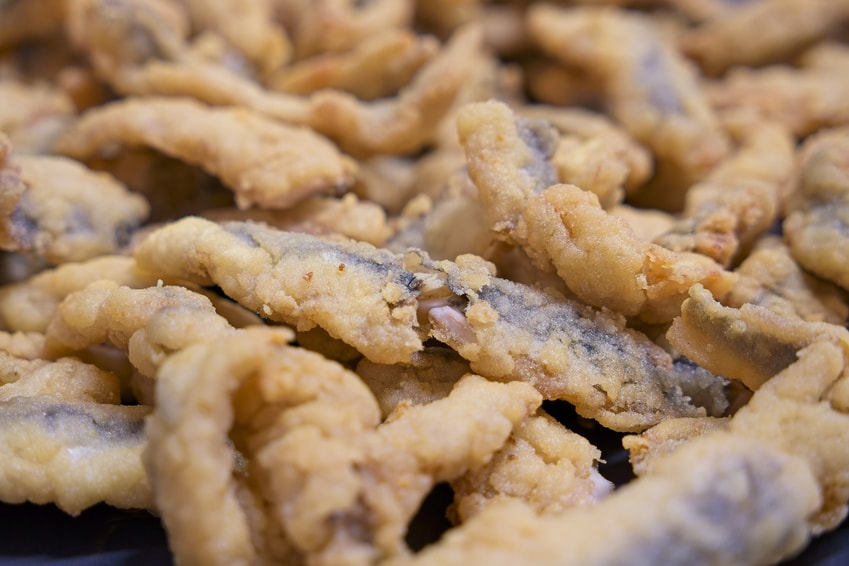
If seafood is the heart of Málaga cuisine, fritura malagueña is its crispy highlight.
Also known as pescaito frito, this dish features small local fish lightly floured and fried in olive oil. The result is golden, crisp, and surprisingly light.
Typical varieties include anchovies, red mullet, squid, and baby hake. But the star of the show is usually boquerones (anchovies), which are incredibly popular in Málaga.
You’ll find it across the city, from beach bars to traditional taverns.
- Local tip: Add a squeeze of lemon—but not too much. Locals prefer to keep the natural flavour of the fish.
Ensalada Malagueña
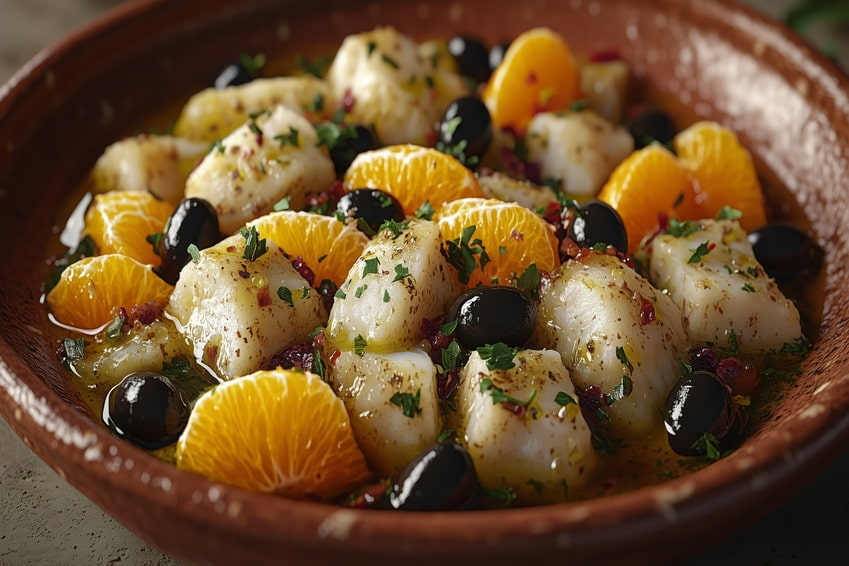
After all that fried fish, it’s nice to balance things out with something fresh. Enter the refreshing and slightly surprising ensalada malagueña.
This unique salad combines potatoes, oranges, salt cod, onions, and olives, all dressed with excellent olive oil. Yes—orange in a savoury salad. And the mix of sweet and salty flavours works surprisingly well.
It’s often served cold and makes a great light lunch—especially in warmer months.
- Local tip: Pair it with a chilled white wine or a light beer for a perfect midday break.
Porra Antequerana and Ajoblanco
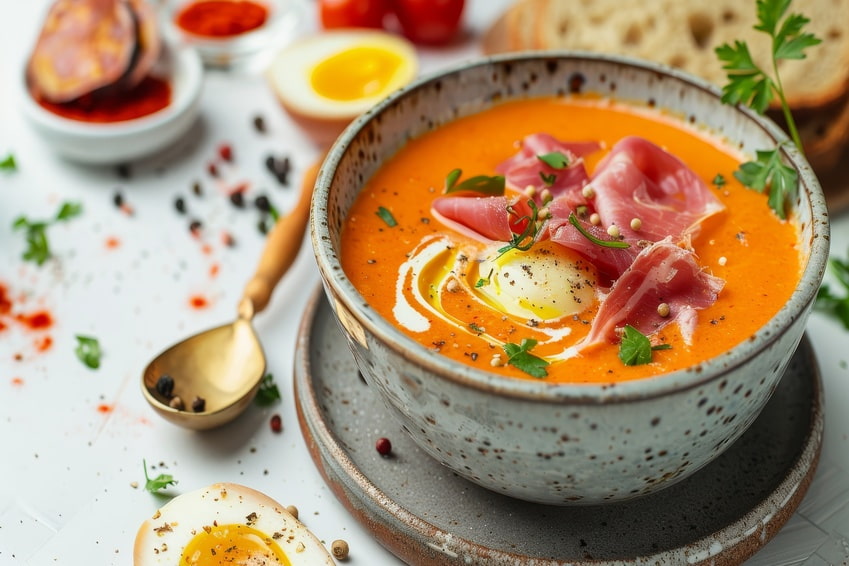
When it comes to cold soups, Málaga delivers.
Porra antequerana is thick and creamy, made with tomatoes, bread, olive oil, and garlic, then topped with ham and boiled egg.
Ajoblanco, on the other hand, is lighter—made with almonds, garlic, bread, olive oil, and vinegar. The soup is typically served chilled and topped with green grapes for a subtle sweet contrast.
Both are traditional, refreshing, and ideal for hot days.
- Local tip: Ajoblanco is especially refreshing in summer and a great start to a tapas crawl.
Where to eat in Málaga: Iconic stops
Once you know what to eat, the next big question is where to eat in Malaga. The city has hundreds of great restaurants and tapas bars, but a few legendary spots truly capture the spirit of Málaga food culture. These places combine history, atmosphere, and incredible flavours.
Atarazanas Central Market
To truly understand Malaga food, start at Atarazanas Market.
This bustling 19th-century market is the beating heart of the city’s culinary scene. Locals come here daily to buy seafood, meats, fruits, vegetables, spices, and olives. For visitors, it’s also one of the best places to taste authentic tapas.
The building itself is stunning. Its colourful stained-glass window tells the story of Málaga’s past, while inside, rows of market stalls overflow with fresh Mediterranean produce.
One of the best things to do here is grab a stool at a market bar and order tapas made with ingredients sourced just steps away.
- Location: Calle Atarazanas, 10, 29005 Málaga.
- Opening times: Mon–Sat 08:00–14:00, Sunday and Public Holidays: Closed
- How to get there: City Sightseeing Stop 1 (Vialia – Renfe) or Stop 11 (Pasillo de Santa Isabel)
Local tip: Visit around midday when the tapas bars are busiest.
El Pimpi
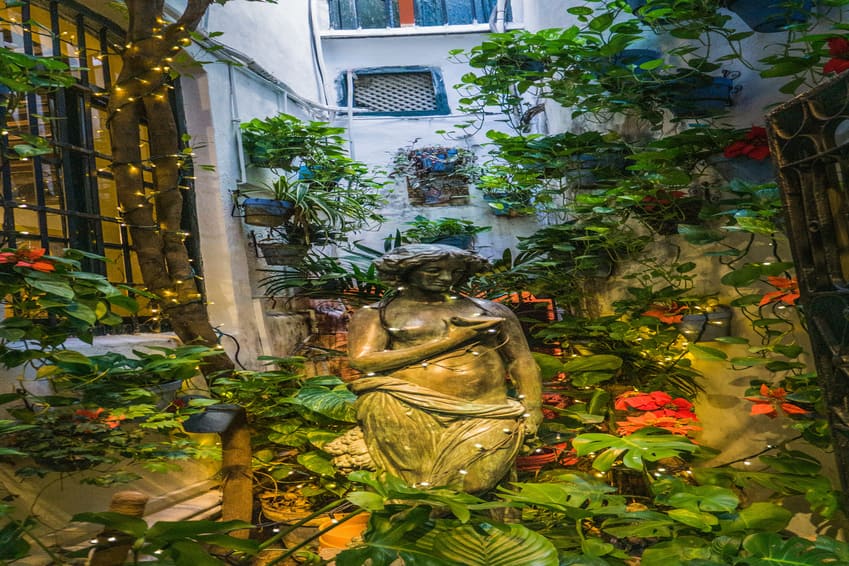
No guide to what to do in Malaga is complete without El Pimpi.
This iconic bodega, set in a historic mansion, is known for its lively atmosphere, traditional décor, and connection to Málaga-born Antonio Banderas.
On the menu, you’ll find classic tapas, regional dishes, and plenty of local Málaga wine.
Whether you’re stopping for a quick tapa or a long dinner, El Pimpi delivers a true taste of Andalusian culture.
- Location: Calle Granada, 62, 29015 Málaga
- Opening times: Daily 12:00–01:00
- How to get there: Hop off at the City Sightseeing Stop 11 (Pasillo de Santa Isabel) or Stop 12 (Cruz Roja). A short walk through the historic centre will lead you to this iconic mansion.
- Local tip: Grab a table on the terrace in the evening for the best atmosphere.
Antigua Casa de Guardia
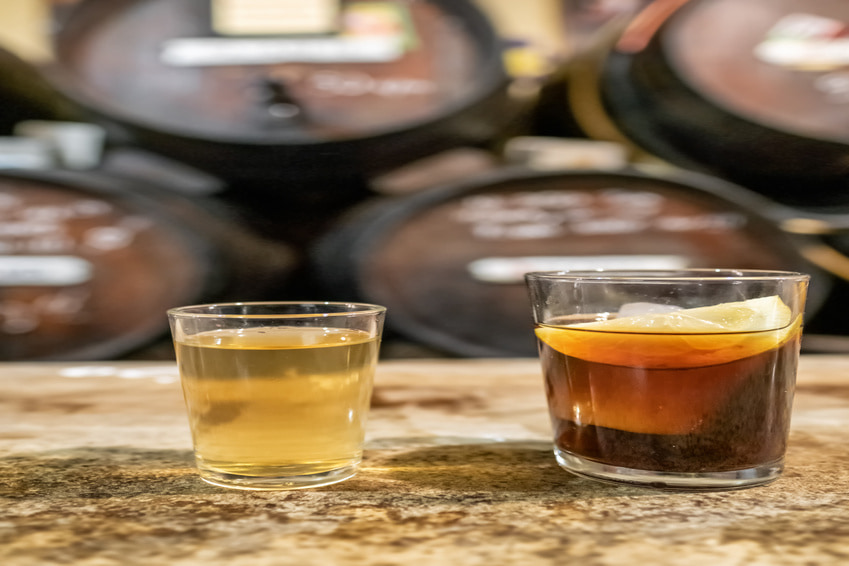
For something truly traditional, visit Antigua Casa de Guardia.
Established in 1840, it’s the oldest tavern in Málaga. Wine is served straight from wooden barrels, and your bill is written in chalk on the counter.
The focus here is Málaga’s famous sweet wines, which pair surprisingly well with small tapas and salty snacks. It’s simple, authentic, and unforgettable.
- Location: Alameda Principal, 18, 29005 Málaga.
- Opening times: Monday to Thursday: 10:00 – 22:00, Friday and Saturday: 10:00 – 22:45, Sunday: 11:00 – 15:00
- How to get there: Located right on the main avenue, hop off at the City Sightseeing Stop 11 (Pasillo de Santa Isabel).
- Local Tip: Try a small glass of Málaga Virgen or Pajarete wine. They’re sweet, historic, and very much part of the city’s drinking culture.
The Malaga Experience
For a more complete visit, the Malaga Experience pack is a fantastic option.
It combines the hop-on hop-off bus with entry to some of the city’s top museums and attractions. That means you can move easily between cultural stops while working up an appetite for the next meal.
A morning museum visit followed by lunch at a tapas bar? Perfect plan.
Views from the sea and premium touches
Food in Málaga always comes back to the sea—so seeing the city from the water just makes sense.
The Málaga Boat Tour offers a relaxing way to enjoy the coastline and take a break between food stops. Watching the skyline from the Mediterranean while planning your next meal is a highlight in itself.
For a more premium option, the Premium Experience Málaga package includes extended access and extra perks.
To compare everything available, check out our Málaga destination page and choose the option that best fits your travel style.
Final bite
Málaga food is simple, vibrant, and deeply connected to local life. From grilled sardines on the beach to historic taverns and lively markets, every dish tells a story.
If you’re planning what to do in Malaga, make food a priority. Wander into tapas bars, try something new, and follow the scent of the sea.
With the City Sightseeing bus linking the city’s top spots, you can focus on what really matters: enjoying the best flavours Málaga has to offer—one bite at a time.
Like? Share this post with your friends
Frequently Asked Questions
The most iconic dish is the espeto de sardinas, followed closely by boquerones fritos and the sweet Málaga wine.
The historic centre is filled with amazing bars. Streets like Calle Granada and the area around the Atarazanas Market are perfect for a “tapas crawl.”
The City Sightseeing bus takes you close to the port area and the Malagueta beach. For the traditional fishing districts of El Palo, you can hop off at the Paseo del Parque and take a short connecting bus.
Málaga remains an affordable destination for foodies. A Menú del Día (a three-course lunch set) typically costs between €12 and €18. For dinner, expect to pay around €25–€40 per person at a mid-range restaurant including drinks. If you prefer the tapas route, individual plates usually range from €3 to €6